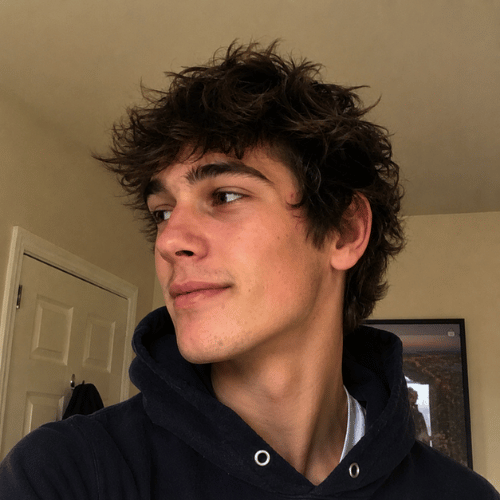
Senate Democrats' top super PAC is pouring $5 million into deep-red Kansas, a state the party has not won in nearly a century, as it bets on Democrat Adam Hamilton against incumbent Republican Sen. Roger Marshall.

Democrats are betting $5 million on Kansas. The top super PAC for Senate Democrats has committed the money to a state that has not elected a Democrat to the U.S. Senate in nearly a century, opening a surprise front in the final month of the midterm campaign.
The investment lands in the race between incumbent Republican Sen. Roger Marshall and Democrat Adam Hamilton, a pastor who has built a reputation for defying his own party leadership. It is a striking move for a party that spent months insisting its path to a Senate majority ran through a short list of swing states.
Republicans saw it coming and moved first. The Senate Leadership Fund, aligned with GOP leadership, had already committed more than $10 million in Kansas advertising through Election Day, according to ad-tracking data. The Democratic cash is less a sign of confidence in deep-red Kansas than an attempt to force Republicans to defend ground they never expected to fight for.
Kansas has not sent a Democrat to Washington's upper chamber since the 1930s. President Trump carried the state by double digits in 2024, and Marshall, a physician and former congressman, has been a reliable vote for the America First agenda in the Senate. On paper, it should not be close.
Yet the numbers have tightened. Hamilton now trails Marshall by a narrow margin in the RealClearPolitics polling average, and the Cook Political Report recently shifted the race from Lean Republican to Toss Up. That single rating change is what turned Kansas from an afterthought into a line item on the Democratic super PAC's spending sheet.
Hamilton is not a typical Democratic recruit. He has said he would not support Sen. Chuck Schumer for leader, positioning himself as an outsider in a state that rewards independence. Democrats believe that profile, paired with Marshall's incumbency, gives them an opening.
Kansas is not the only long shot on the Democratic list. Party strategists have also floated Texas, Alaska and Iowa, all states Trump won comfortably in 2024. The Kansas investment suggests leadership now sees a path, or at least a chance to drain Republican resources from genuinely competitive states.
Republicans are fighting a similar battle elsewhere. Trump traveled to Nebraska this month to rally for Sen. Pete Ricketts as that race tightened, a stop that underscored how many states the GOP is now forced to defend.
The spending war cuts both ways. Republicans are outspending Democrats nationally, and the Senate Leadership Fund's Kansas commitment is roughly double the Democratic super PAC's outlay. That gap matters in a state where name recognition and advertising saturation can decide a close race.
The decision reveals a Democratic Party scrambling to widen a map it once hoped to win on friendly terrain. Opening a front in Kansas is either a sign of genuine momentum or a costly gamble that spreads money thin across too many races. Party leaders have to hope it is the former.
For Republicans, the task is simpler. Marshall holds a lead, the state's fundamentals favor the GOP, and the Senate Leadership Fund has the resources to answer every dollar Democrats spend. The incumbent's allies have spent weeks framing Hamilton as a vessel for national Democratic money rather than a genuine Kansas voice.
Hamilton's refusal to back Schumer complicates that attack, but it also raises a question Democrats would rather avoid: if their own recruit will not support their leader, what exactly is the party selling in Kansas?
With roughly four weeks left, watch three things. First, whether the $5 million actually moves Hamilton's numbers or simply maintains the status quo. Second, whether Republicans pull money from other states to shore up Kansas, which is precisely what the Democratic bet is designed to force. Third, whether Trump makes a late stop in the state, a signal that the GOP is taking the threat seriously.
Kansas has been a Republican lock for generations. Democrats are now spending like it is not. Whether that reflects confidence or desperation will be settled at the ballot box in November.


Senate Democrats' top super PAC is pouring $5 million into deep-red Kansas, a state the party has not won in nearly a century, as it bets on Democrat Adam Hamilton against incumbent Republican Sen. Roger Marshall.

freedomlinedispatch.com