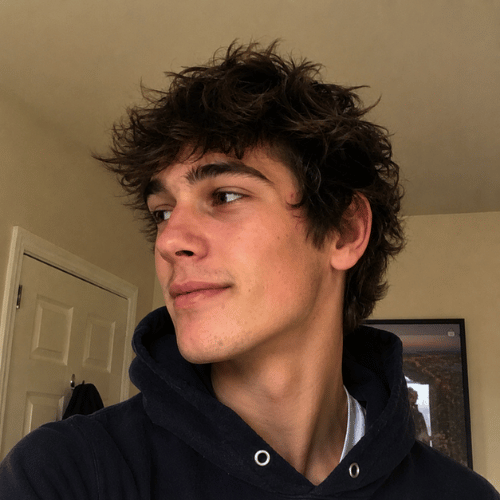
The FBI seized former Rep. Eric Swalwell's phone and laptop at San Francisco International Airport and raided his Washington home in an escalating federal investigation tied to sexual misconduct allegations.

The FBI seized former California congressman Eric Swalwell's cellphone and laptop at San Francisco International Airport over the weekend and raided his Washington, D.C., home the next day as part of a federal criminal investigation tied to sexual misconduct allegations. Agents served Swalwell with a search warrant Saturday evening after he landed in California, taking his white Apple iPhone, an Apple MacBook Pro, and a charging cable and wall adapter, according to the warrant inventory. The following morning, federal investigators executed a second warrant at his residence in the nation's capital.
The escalation marks the most serious step yet in a case that has followed Swalwell since April, when multiple women accused him of sexual assault and other misconduct. The former congressman, who resigned his House seat and ended his campaign for California governor, has denied the allegations and signaled he will fight the federal inquiry.
Swalwell was stopped at San Francisco International Airport on Saturday night around 8:25 p.m., where agents served the search warrant and took his electronics on the spot, according to the inventory signed by the case agent. He cooperated with the encounter, and agents left him a copy of the warrant and a list of the property seized.
The next day, agents searched his Washington home and collected additional evidence as part of the same probe. The FBI has declined to comment on the investigation, and no charges have been filed. People familiar with the inquiry say both actions are connected to the sexual misconduct allegations that ended Swalwell's political career.
The investigation centers on accusations from multiple women, including a former staffer who said Swalwell sexually assaulted her on two occasions, including once when she was too intoxicated to consent. Another allegation describes an assault at a New York City hotel in 2024 while Swalwell was in town for a charity gala. Three other women have accused him of sending unsolicited explicit messages or nude photos.
The House Ethics Committee opened its own review of the allegations in April, the same period in which Swalwell announced his resignation. The Manhattan District Attorney's Office confirmed it was investigating the claims, and the Los Angeles County Sheriff's Department launched a separate probe. Three of the women who spoke publicly said they have been contacted by the FBI.
Swalwell represented Bay Area districts from 2013 until his resignation. He was a prominent figure in Democratic politics, a frequent cable news presence, and one of the House impeachment managers during the first impeachment of President Donald Trump. He had been leading the race for California governor before the allegations surfaced, making his fall from front-runner to federal target one of the swiftest political collapses of the cycle.
Swalwell has consistently denied the accusations. His attorney, Sara Azari, called the claims "false, fabricated, deeply offensive, a calculated and transparent political hit job" when they first became public. Azari has maintained that the allegations were timed to damage his gubernatorial campaign.
Lawyers representing the accusers welcomed the federal action. Attorney Arick Fudali said the accusers are "encouraged to learn about the escalation of the FBI's investigation into the allegations against Eric Swalwell." The competing statements set up a legal fight that could run for months, with defense lawyers expected to challenge the scope of the warrants and the handling of the seized devices.
Federal searches of this kind typically signal that investigators are building a case for potential criminal charges, though warrants alone do not guarantee an indictment. Prosecutors in multiple jurisdictions are now examining overlapping evidence, and the FBI's involvement gives the case a federal dimension beyond the state and local inquiries already underway.
Swalwell spent years as one of the loudest anti-Trump voices in Congress, pushing conspiracy theories, calling for investigations, and serving as an impeachment manager against the president. His legal troubles now place him on the receiving end of federal scrutiny, a reversal his critics have pointed to as evidence that the system applies the same standards to everyone.
The developments also complicate the Democrats' messaging on accountability, since a party that made investigations of its opponents a centerpiece of its strategy now watches one of its own face a federal probe. For Swalwell, the immediate stakes are personal: his political career is over, and his legal defense now depends on how the seized data is handled and what it shows.
What happens next hinges on the grand jury. Federal prosecutors will decide whether the evidence gathered from his phone, laptop, and home supports criminal charges, while defense attorneys press for limits on how the material can be used. With state and local investigations still active in New York and California, the former congressman could face scrutiny on multiple fronts for months. For now, the case that ended his political career is just beginning its legal one.


The FBI seized former Rep. Eric Swalwell's phone and laptop at San Francisco International Airport and raided his Washington home in an escalating federal investigation tied to sexual misconduct allegations.

freedomlinedispatch.com